Systemic Epistemic Alterity
An analytical framework for studying the production of knowledge hierarchies, intellectual exclusions, and asymmetries of recognition within contemporary academic spaces.
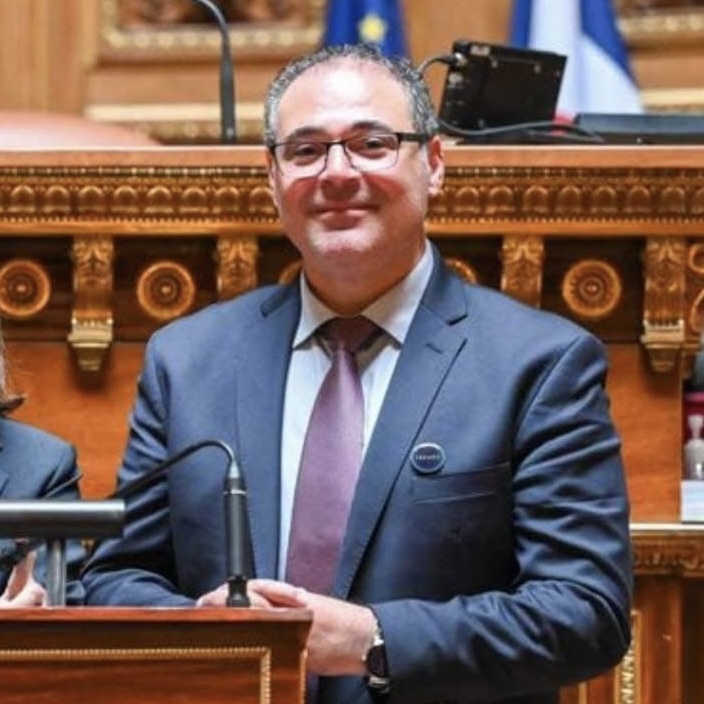
Dr. Wael Saleh (Arabic: وائل صالح) is a multidisciplinary researcher specialising in Islamism, the Muslim Brotherhood, extremism, the geopolitics of ideas, and the strategic transformations of the contemporary Arab world. He holds a Ph.D. in Applied Human Sciences (Islamic Studies and Political Science) from Université de Montréal and serves as Political Islam Affairs Advisor at TRENDS Research and Advisory, where he directs the Canada and France offices. He is co-founder of the Institute of Post-Arab Spring Studies and head of PLURIEL's research group on the epistemological and methodological challenges of studying violence in the name of Islam. He has developed the original conceptual frameworks Applied Islamismology, Systemic Epistemic Alterity, Necro-Islamism, Digital Islamism, Ethico-Onto-Epistemological Dialogue, and the Geopolitics of Ideas. He works between Canada, France, and the United Arab Emirates in Arabic, French, and English.
Ph.D. in Applied Human Sciences · Islamic Studies and Political Science
Interdisciplinary researcher in Islamism, epistemic alterity, and the geopolitics of ideas — developing critical tools to analyse ideologies, regimes of meaning, and contemporary transformations without essentialisation or relativism.
Two decades of scholarship
Two decades of scholarship at the intersection of political Islam, extremism, post-Arab-Spring transformations, the geopolitics of religion, regional and international security shifts, the epistemology of knowledge, contemporary epistemological transformations, and humanities and social sciences assisted by artificial intelligence, translated into books, peer-reviewed studies, and advisory work for universities, research centres, and international institutes.
Epistemological stance
A rigorous critique of Islamism, extremism, and discursive regimes of exclusion, without essentialising religions, cultures, or civilisations, and without falling into culturalist, apologetic, or relativist readings.
Research Centers and Academic Memberships
About
Dr. Wael Saleh is a multidisciplinary researcher specialising in Islamism, the Muslim Brotherhood, extremism, epistemic alterity, and the geopolitics of ideas. His work examines how religious and ideological ideas become political, social, and geopolitical forces.
His approach aims to make possible a rigorous critique of extremism, radicalisation, and regimes of exclusion without essentialising religions, cultures, or civilisations. It rests on a central requirement: to analyse ideas, discourses, and regimes of meaning rather than reducing complex phenomena to fixed collective identities.
He serves as Political Islam Affairs Advisor at TRENDS Research and Advisory, where he directs the Canada and France offices. He is co-founder of the Institute of Post-Arab Spring Studies and head of PLURIEL’s research group on the epistemological and methodological challenges of studying violence in the name of Islam; he was previously Associate Researcher at the Institut d’études internationales de Montréal (IEIM, UQAM).
“Critique without essentialising, deconstruct without relativising, dialogue without surrendering analytical rigour.”
Conceptual Contributions
Six critical, multidisciplinary concepts developed across the work, to analyse ideological, religious and political phenomena without essentialising cultures, religions or civilisations.
Central theoretical frame
At the core of this work lies the concept of Systemic Epistemic Alterity, a framework for analysing how knowledge hierarchies, recognition asymmetries, and institutional regimes shape what can be seen, said, and legitimised as knowledge.
An analytical framework for studying the production of knowledge hierarchies, intellectual exclusions, and asymmetries of recognition within contemporary academic spaces.
A critical, multidisciplinary approach to Islamism grounded in the analysis of texts, doctrines, strategies, institutions, and the political imaginaries of Islamist movements.
An analysis of how religious, ideological, and political ideas circulate, mutate, and produce effects of power in societies, institutions, and international relations.
A concept naming the forms of Islamism that transform death, sacrifice, violence, and destruction into political, symbolic, or eschatological resources.
A framework for analysing the migration of Islamist movements onto digital platforms, how doctrines, recruitment, communities, and the legitimation of violence are reshaped by algorithmic environments, networked publics, and online religious authority.
A form of dialogue that simultaneously engages ethical responsibility, ontological recognition of the other, and epistemological openness to different regimes of meaning and knowledge. It moves beyond classical interreligious dialogue by shifting attention from the exchange between confessional traditions alone to the analysis of the moral, existential, and cognitive conditions of living together across religions, cultures, and worldviews.
Intellectual Project
My work aims to develop critical tools for analysing contemporary ideologies, forms of extremism, regimes of meaning, and geopolitical transformations without reducing these phenomena to religious, cultural, or civilisational identities. Through concepts such as Systemic Epistemic Alterity, Applied Islamismology, Necro-Islamism, Digital Islamism, and the Geopolitics of Ideas, I seek to understand how discourses, knowledge, and ideologies produce political, social, and symbolic effects.
This approach rests on a central requirement: to critique without essentialising, to deconstruct without relativising, and to think the conditions of a coexistence grounded in recognition, intellectual responsibility, and critical lucidity.
Areas of Specialization
Six interlocking fields of inquiry, applied across academia, advisory practice, and public discourse.
Doctrines, strategies, institutions, and political imaginaries, with sustained attention to the Muslim Brotherhood and post-Islamist trajectories.
Mapping the theoretical actors and epistemological stakes of studies on radicalisation and the ideological legitimation of violence.
How religio-political ideas circulate, mutate, and become forces of power across the Arab world and the wider international system.
How knowledge about Islamism is produced, who holds the authority to define it, and how academic, media, and political institutions shape its understanding.
Religiosity compatible with peaceful coexistence; the Document on Human Fraternity and the conditions of authentic intercultural dialogue.
A critical dialogue between research, digital technologies, and the production of knowledge — putting AI to work for humanities and social-science inquiry without surrendering analytical rigour.
Methods and recurring themes
Experience and Employment
From Montreal classrooms to international advisory work, bridging academic research and applied policy analysis.
Political Islam Affairs Advisor; Director, Canada and France Offices
Leading flagship publications on political Islam and overseeing TRENDS’ research presence in Canada and France.
Former Associate Researcher, Institut d’études internationales de Montréal (IEIM)
Teaching geopolitics of religion, post-2011 Arab worlds, and Islam and modernity.
Researcher and Teaching Assistant, Institute of Religious Studies (IER)
Senior research advisor on political Islam, post-Arab Spring trajectories, and contemporary Arab thought.
Associate Researcher, Observatory on the Middle East and North Africa
Long-running affiliation with one of Canada’s premier strategic-studies chairs.
Co-founder and Director
Selected Publications
A selection from a body of work spanning monographs at L’Harmattan, peer-reviewed chapters and articles, and TRENDS research publications, in English, French, and Arabic.
Mominoun Without Borders · 2026
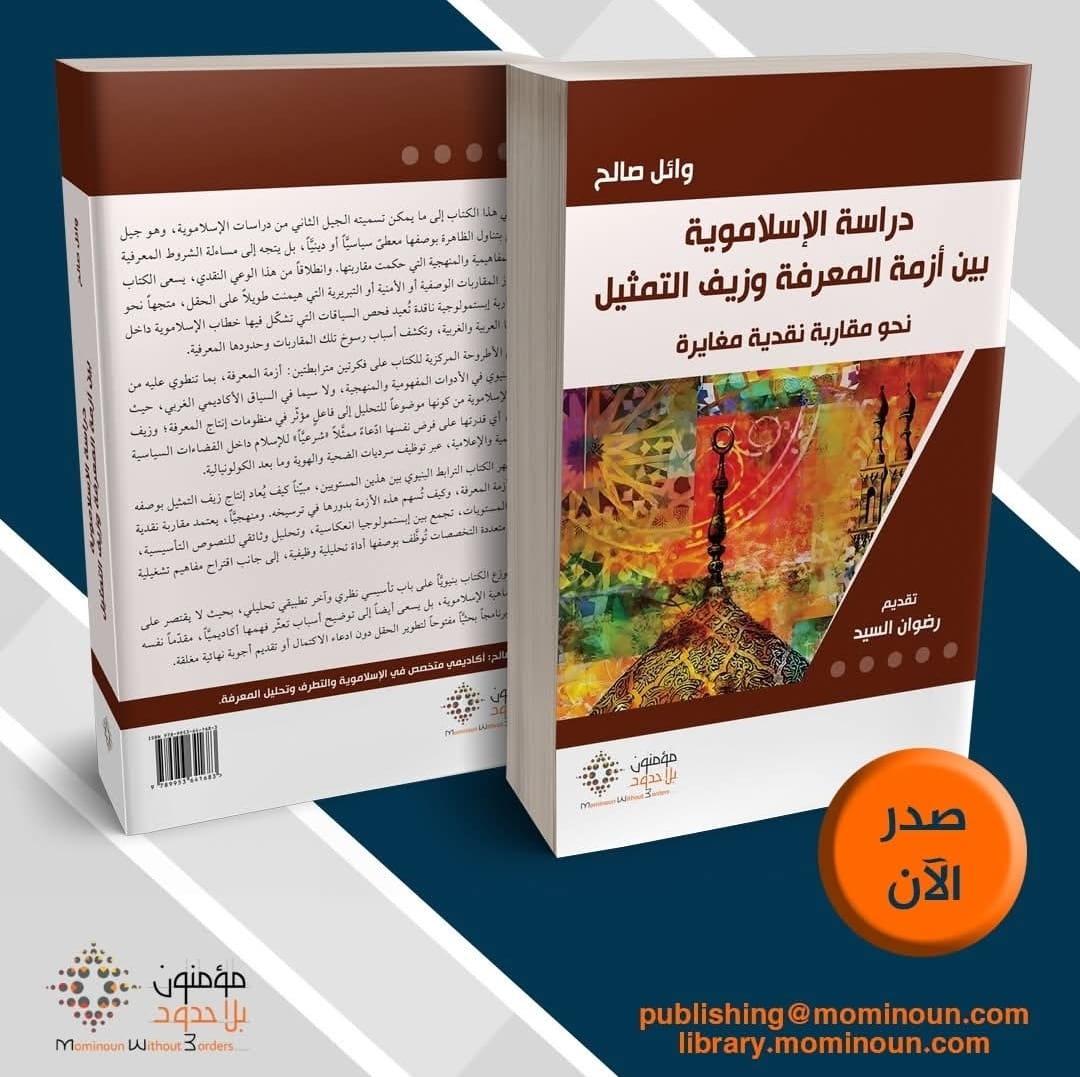
دراسة الإسلاموية بين أزمة المعرفة وزيف التمثيل · Systemic epistemic alterity in practice
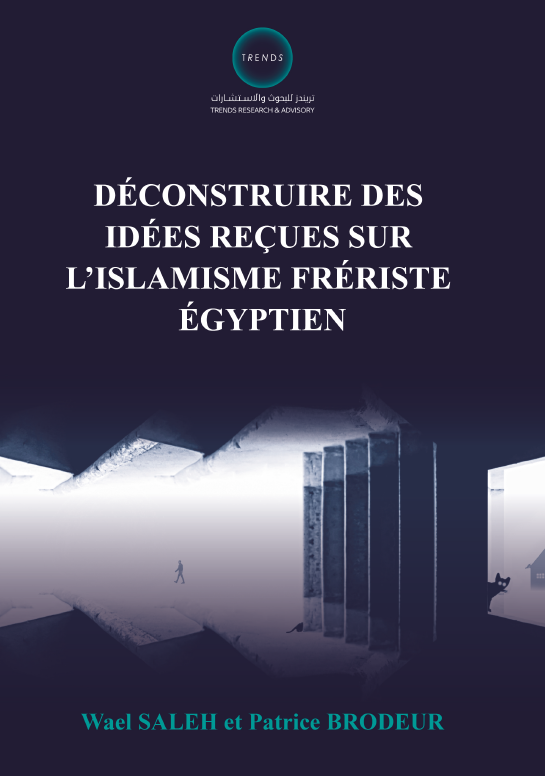
TRENDS · 2024
with Patrice Brodeur
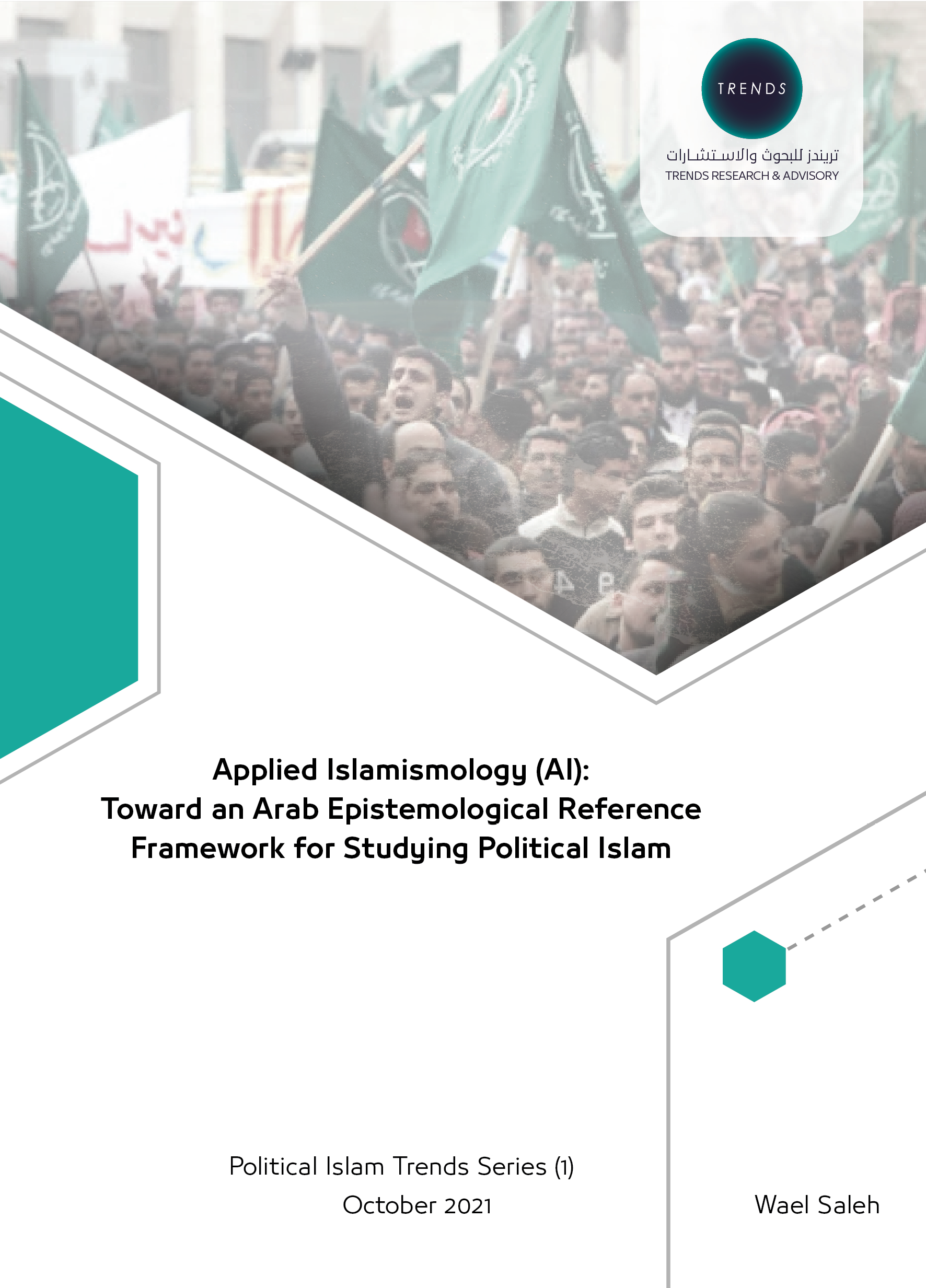
TRENDS · 2021
Toward an Arab Epistemological Reference Framework for Studying Political Islam
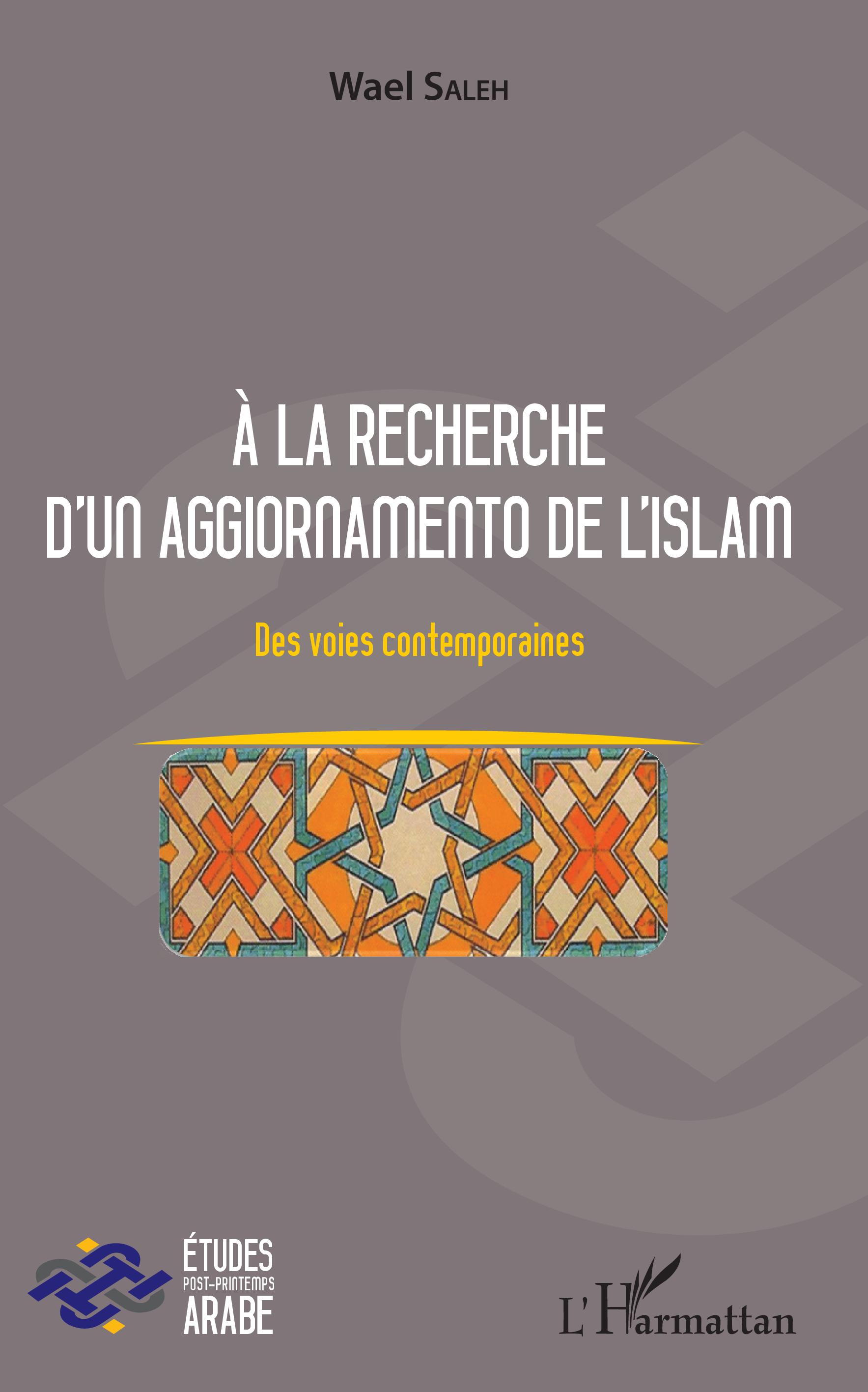
L’Harmattan · 2018
Des voies arabes contemporaines · ISBN 978-2-343-14830-4
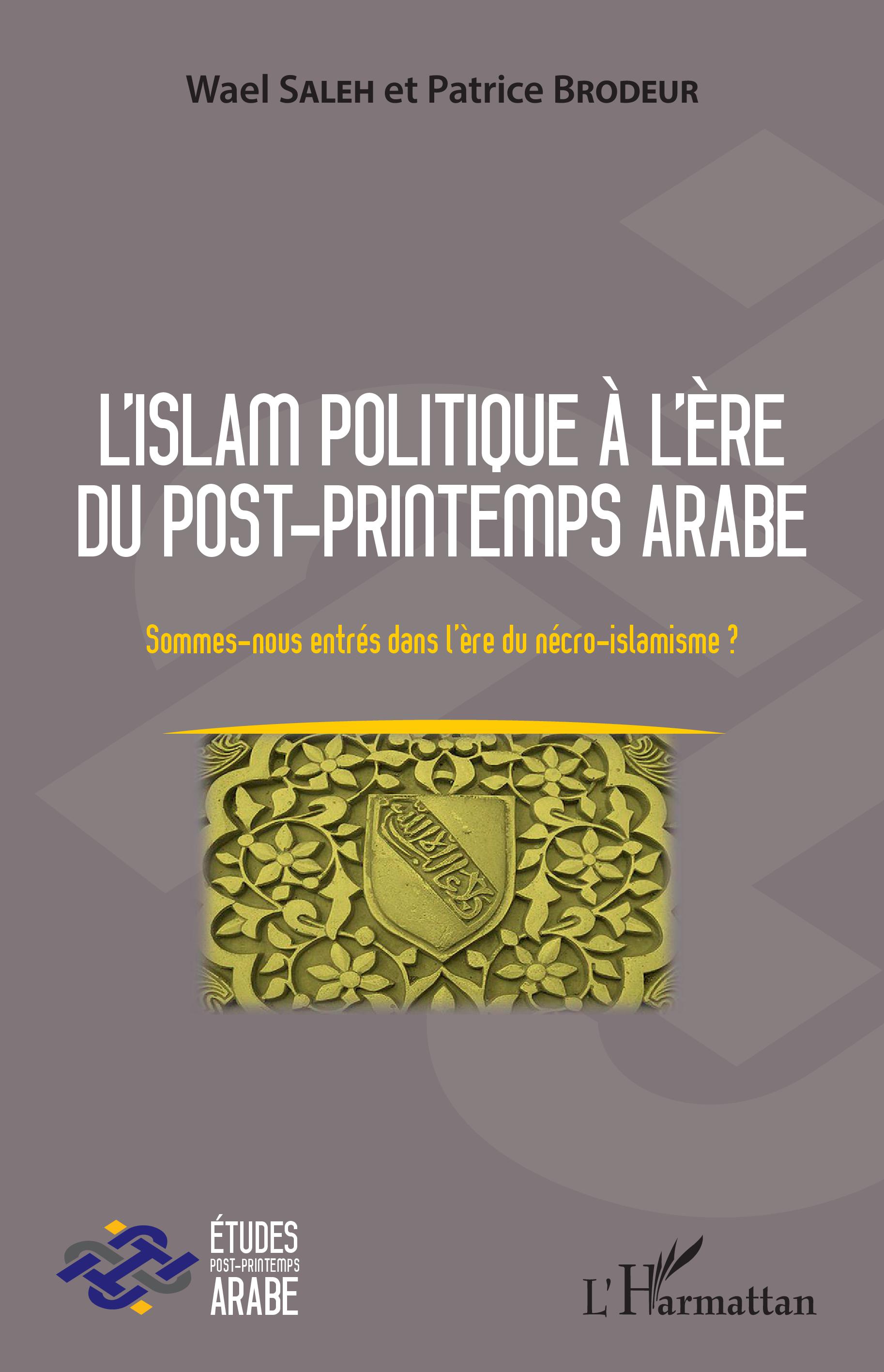
L’Harmattan · 2017
with Patrice Brodeur · ISBN 978-2-343-13669-1
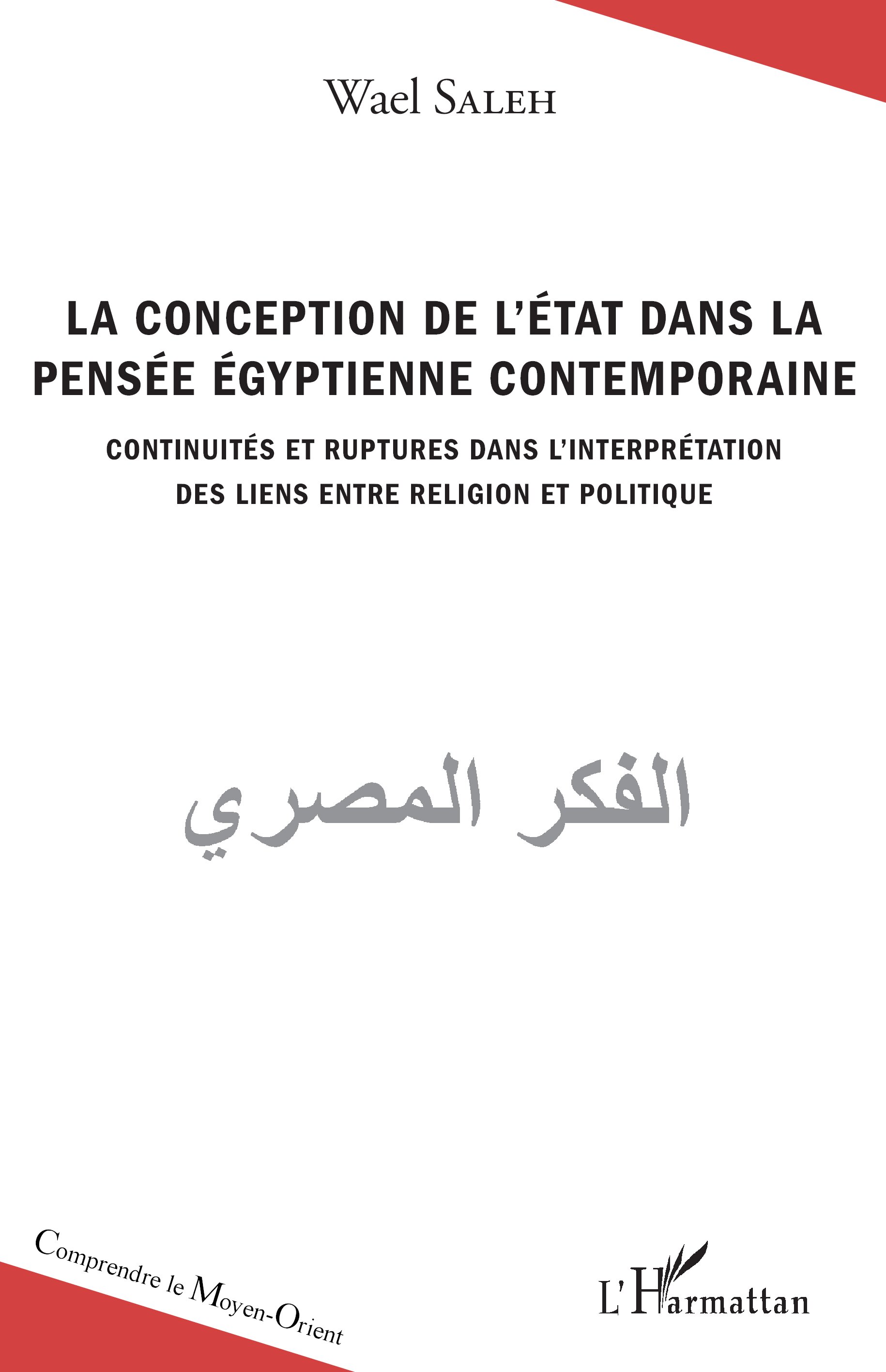
L’Harmattan · 2017
Comprendre le Moyen-Orient · ISBN 978-2-343-11353-1
Université de Sherbrooke · 2010
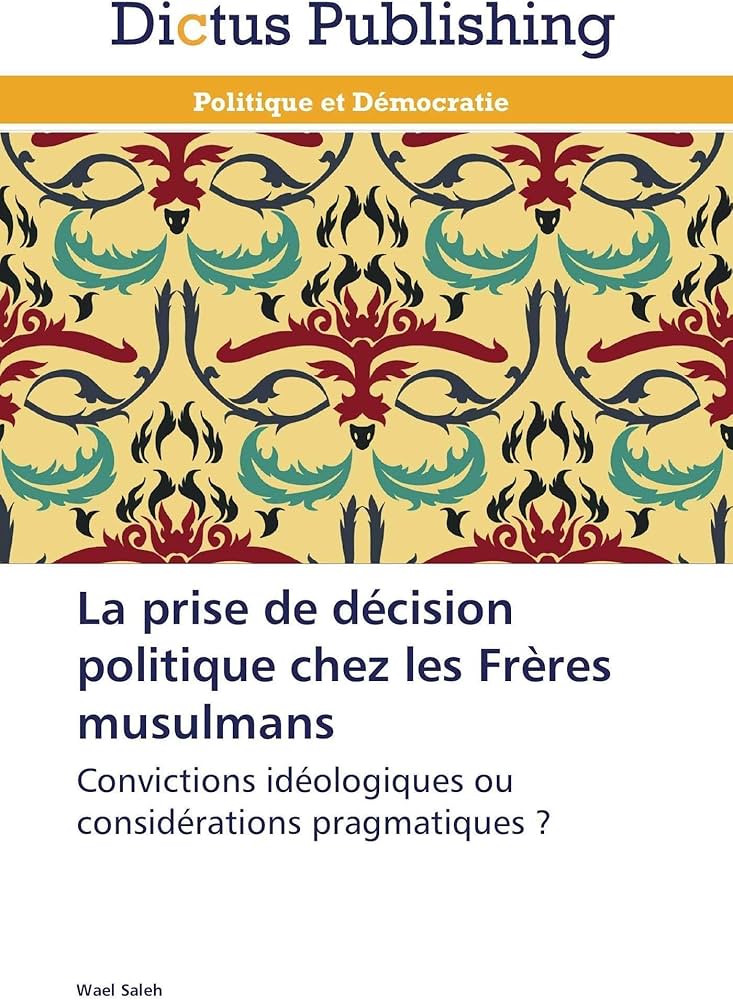
Convictions idéologiques ou considérations opportunistes ? · Mémoire de maîtrise
Peer-Reviewed
A selection of refereed contributions appearing in journals and edited volumes across France, Canada, and the Arab world.
RG View on ResearchGateBeyond Representation: Systemic Epistemic Alterity and the Architecture of Knowledge in the Contemporary Academy
ResearchGate · 2024
The Muslim Brotherhood in Egypt
ResearchGate · 2024
Les études de la radicalisation menant à la violence au nom de l'islam : cartographier les acteurs théoriques pour mieux comprendre les enjeux épistémologiques et éthiques
ResearchGate · 2020
The Black Swan and the Fall of the Black Turban Regime: Rethinking the Future of Iran and the Middle East
TRENDS Research and Advisory
Du droit musulman au droit humain au nom de l'islam
MIDÉO 34 · 2019
The right of religious freedom in contemporary Islamic thought
Taylor & Francis · with Patrice Brodeur
Le fiqh politique des Frères musulmans égyptiens et leur conception de l'État
Google Books · Book Chapter
Selected publications in Arabic
Conferences and Teaching
Plenary addresses at PLURIEL international congresses, sessions at the Acfas annual congress, and graduate courses in Montreal.
Courses taught
May 2026 · Université de Montréal
Recompositions géopolitiques, mutations sociétales et enjeux de sécurité · 63ᵉ Congrès SQSP, 5–7 mai 2026.
2026 · Congrès de l’Acfas
93ᵉ Congrès de l’Acfas, colloque 400.
Acfas · Congrès archive
Congrès de l’Acfas, colloque interdisciplinaire.
February 2024 · Abu Dhabi
PLURIEL and TRENDS Research and Advisory.
December 2024 · Lyon, France
Faculté de Théologie, Lyon, invited address.
May 2022 · Université Laval
Co-organizer, 89th Congrès de l’Acfas.
June 2018 · Rome
2nd International PLURIEL Congress, “Islam et appartenances.”
March 2019 · CÉRIUM, Montréal
Co-organizer, Université de Montréal.
October 2018 · Montréal
Festival du Monde Arabe de Montréal.
Memberships and Profiles
Professional profile and updates
Expert profile, Political Islam advisor
Associate researcher, UQAM
Acfas
Francophone Association for Knowledge
PLURIEL
University Research Platform on Islam
Research profile and publications
France
Writing and Commentary
Essays, notes, and commentary on political Islam, epistemic alterity, and the geopolitics of ideas, published as they take shape.
No entries yet, new writing will appear here soon.
Get in touch
Open to academic collaborations, advisory engagements, and invited talks. Email is the fastest way to reach me.
Available for lectures, expert briefings, media commentary, and research collaborations.
Based in
Montréal, Canada
Working between
Canada · France · UAE
Languages
Arabic · French · English